
5 Home Maintenance Issues That May Attract Pests
December 4, 2018
Crumbs on the counter, garbage left uncovered, rotting wood left outside - these are all conditions known to attract pests. But did you know that seemingly small home maintenance issues can make your home more attractive to pests, too?
Your home does not have to have a caved-in roof or missing siding to be appealing to ants, roaches, and other pests. The following are some small, yet common home maintenance issues that perpetuate pest problems.
1. Clogged Gutters
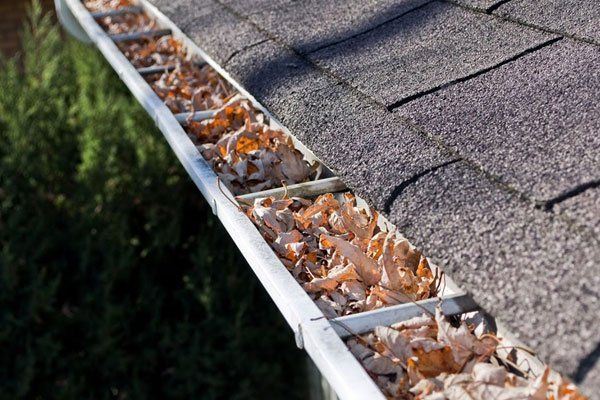
Clogged gutters are especially common in the fall after leaves have fallen from the trees; this is also the time when many pests begin looking for refuge from the cold.
Clogged gutters themselves can become a breeding grounds for pests like ants and cockroaches - then the pests don't have to travel very far to get inside of your home. Clogged gutters also allow water to seep down the side of your home, moistening the foundation and landscaping to make it more appealing to various insects.
Remember to clean out your gutters every fall to avoid pest invasions as the weather grows cold. If your gutters clog easily, consider trimming back any trees near your home to reduce the amount of leaves that end up in the gutters.
2. Unkempt Landscaping
When life gets busy, you may understandably neglect your landscaping. Fallen leaves pile up against your foundation, bushes become overgrown, and weeds may pop up against fences. Brush and weeds provide the perfect shelter for ticks, and pests like centipedes and ants take up residence in leaf piles.
You may also notice an increased number of spiders as your landscaping falls into disarray; spiders eat the other bugs found in the leaves and debris.
If you have trouble keeping up with your landscaping, consider hiring a service to come in, perhaps just a few times per year, to tidy things up. Also think about replacing higher-maintenance shrubs and bushes with ones that require less pruning. Invest in a leaf blower to make leaf cleanup easier than with just a rake.
3. Roof Leaks
You may not notice a tiny roof leak until it grows larger, but insects like carpenter and cockroaches will take notice of the increased amount of moisture in your attic.
Remember to open up your attic every few months to check for leaks, and call a roofing company immediately if you suspect a leak. Always look over your roof after every big storm to ensure leaks are caught and repaired before pests find the moisture.
4. Leaky Plumbing
Leaky plumbing is another common source of moisture that attracts pests. You may not think much of a drippy faucet, for example, but it releases enough water to satisfy the needs of bugs like cockroaches and earwigs.
Make sure you check sinks in spare bathrooms, basements, and other areas where you do not spend as much time. Also look around the base of your toilets for evidence of leaks that may require repair.
5. Cracked Foundations
Small cracks in the foundation may not be a structural threat to your home, but they provide the perfect pathway for cockroaches, earwigs, silverfish, and other pests to enter your basement or crawlspace. You can seal small cracks with water-resistant caulk. If your foundation has a lot of small cracks, you may want to have it sealed and encapsulated by a foundation waterproofing company.
None of these home maintenance issues initially seem serious. But when you take into account the fact that they attract insects to your home, they obviously need to be dealt with. If you are struggling with pests due to any of these home maintenance problems, contact Anteater Pest Control, Inc.
Our experienced exterminators can get rid of ants, spiders, roaches, and more.
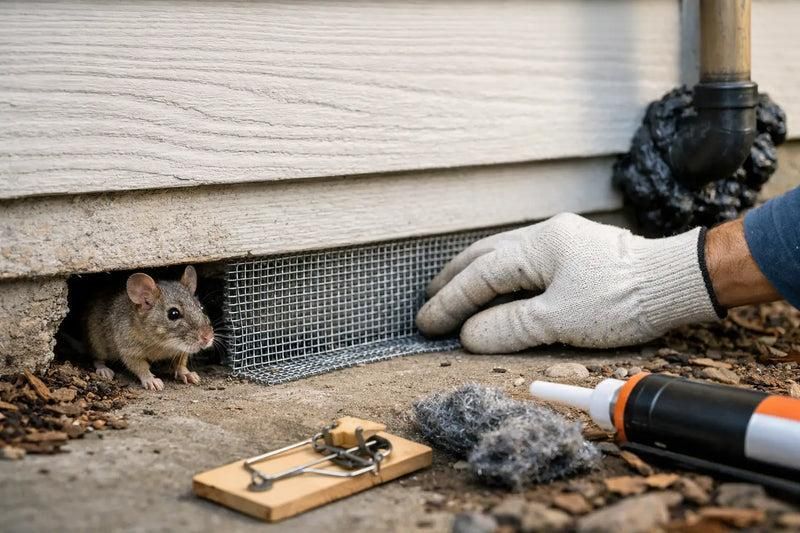
Rodent Proofing for Michigan Homes | Anteater Pest Control
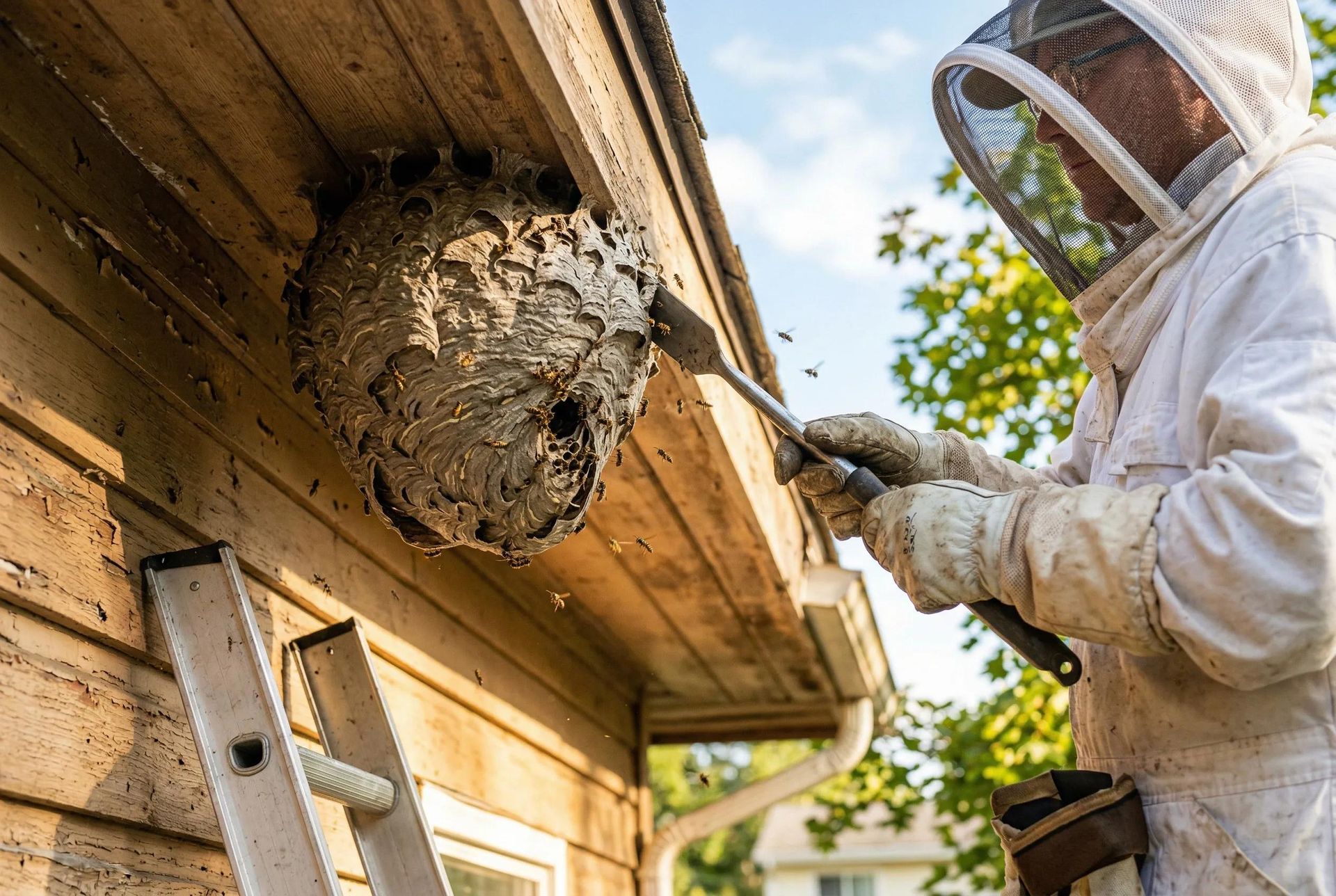
Learn how to prevent wasps, yellowjackets, paper wasps, and bald-faced hornets from nesting around your Michigan home or business, plus what to do when you discover an active nest.

Learn how to identify bed bugs, recognize the signs of an infestation, prevent them from spreading, and understand why professional bed bug treatment is the most effective way to protect your Michigan home or business.
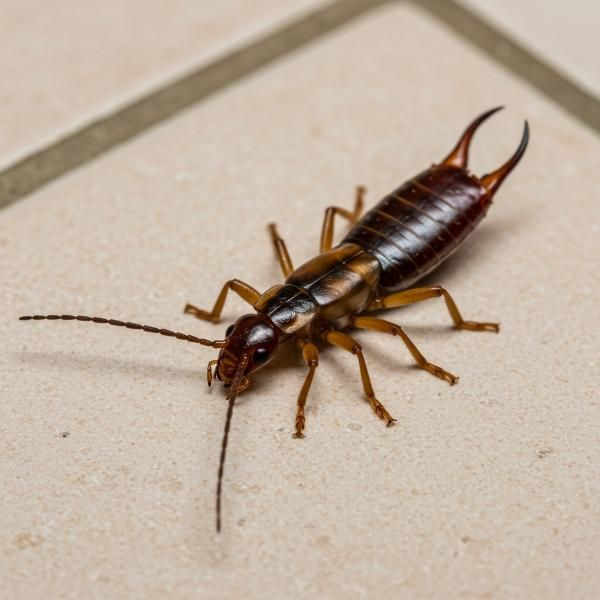
If you've started noticing earwigs crawling around your home, you're not alone. Every summer, homeowners across Michigan see a noticeable increase in earwig activity, especially after periods of rain and humidity. While their appearance can be unsettling, earwigs are more of a nuisance pest than a dangerous one. Understanding why they're showing up and how to prevent them can help you keep your home comfortable all season long.
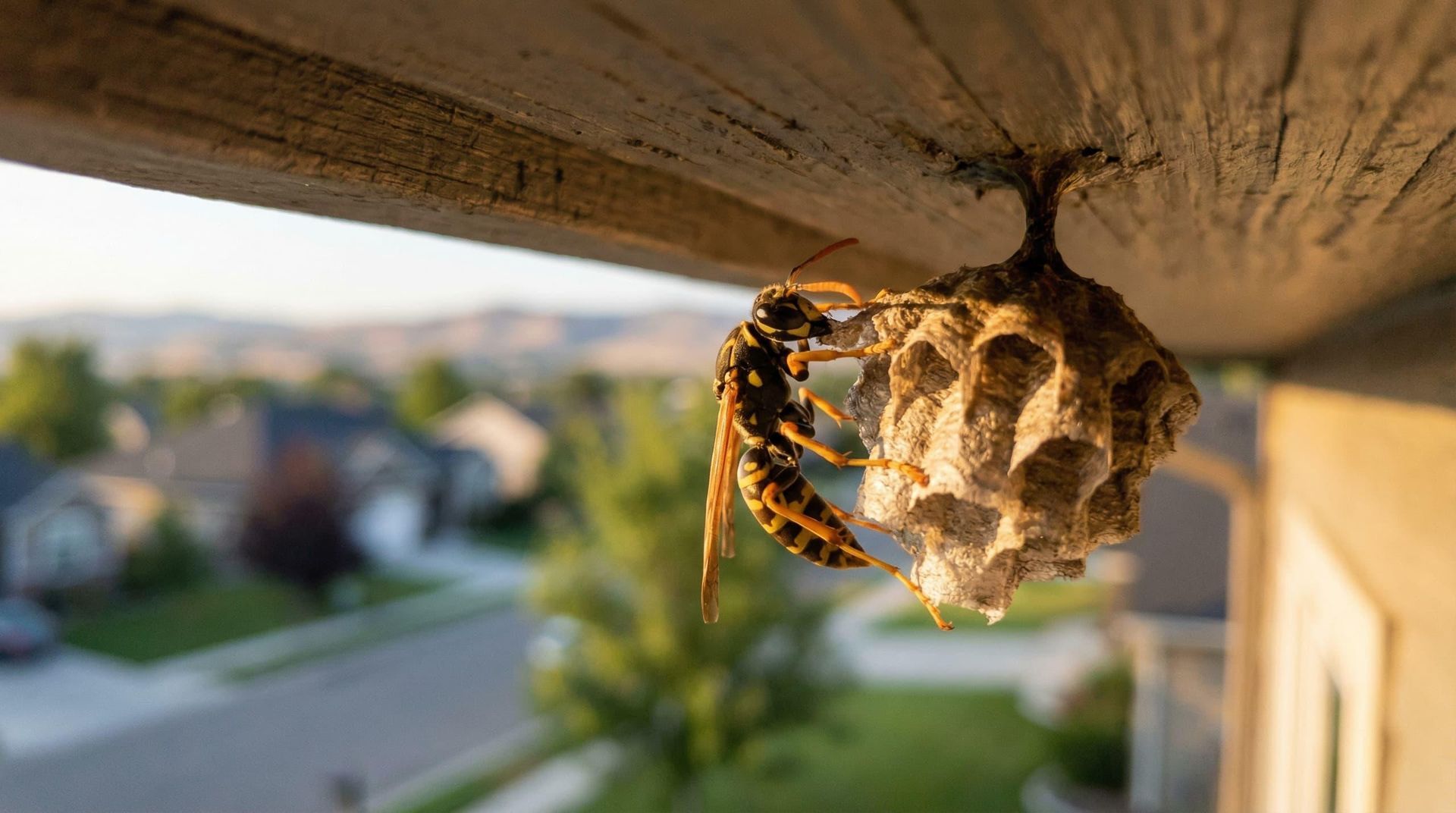
Everything Michigan homeowners need to know about wasp season, nest prevention, common nesting locations, and protecting their home from stinging insects.
The Hidden Connection Between Moisture and Pest Problems
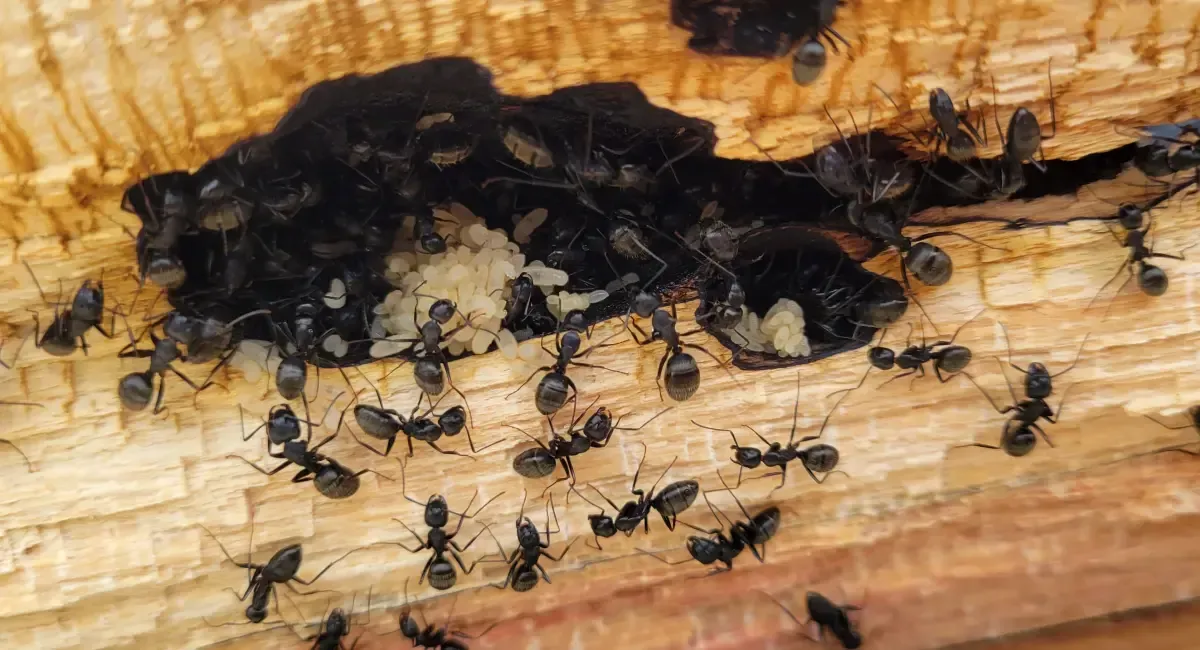
Carpenter ants are one of the most common pest issues homeowners deal with in Michigan, and they are often misunderstood.
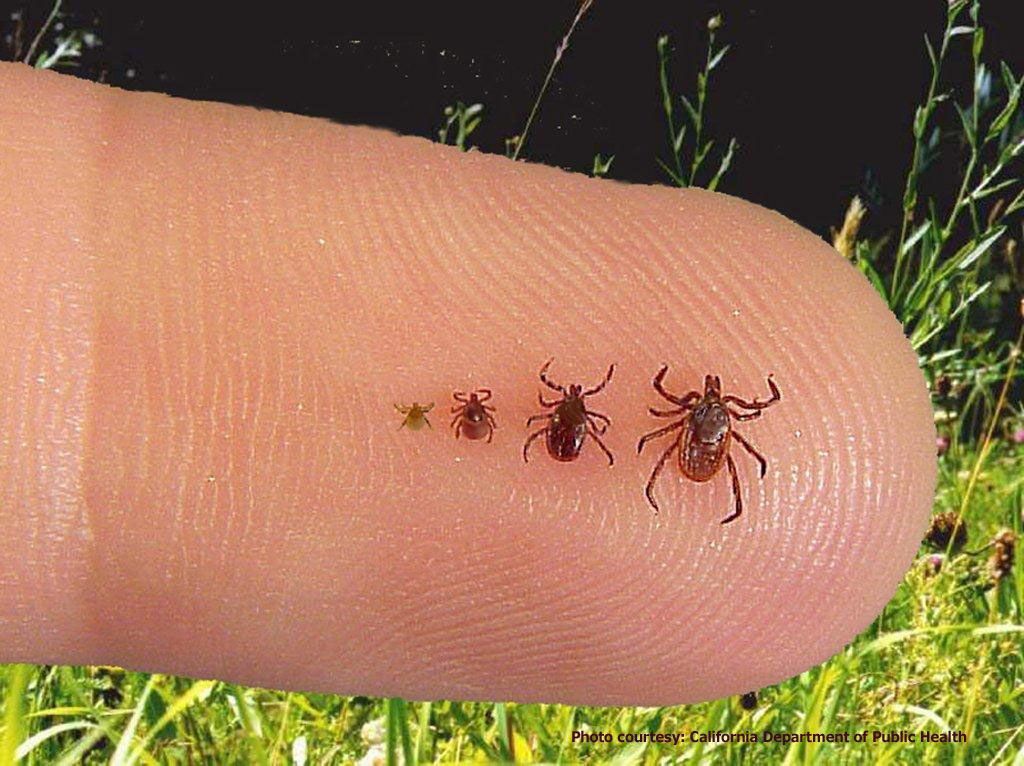
Ticks have become one of the fastest-growing pest concerns for homeowners across Michigan.

Mosquitoes are getting worse every year in Michigan, you’re not imagining it.
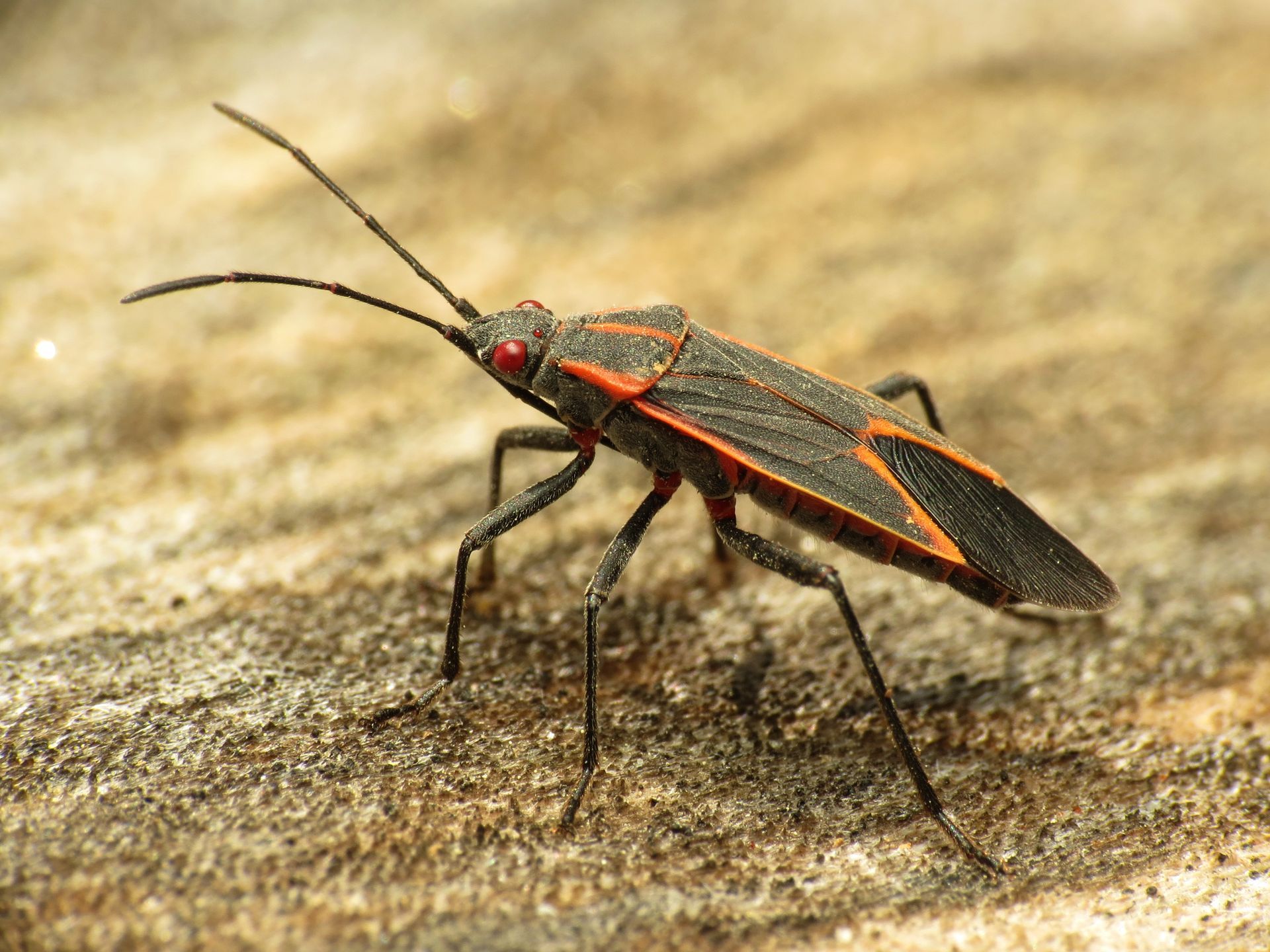
At Anteater Pest Control , we get a lot of questions about a specific, red-and-black insect that seems to appear out of nowhere in massive clusters. If you’ve seen these bugs congregating on your siding or windowsills, you’re likely dealing with Boxelder bugs. While they aren’t the most destructive pests we deal with, their presence in large numbers can be a major nuisance. Here is everything you need to know about identifying, managing, and preventing Boxelder bugs. Identification: Is it a Boxelder Bug? Before you take action, you have to know what you’re looking at. Boxelder bugs (Boisea trivittata) are easily identified by a few key features: Color : Dark brownish-black with three distinct reddish-orange stripes on the thorax (the area behind the head). Shape : An elongated, flattened oval shape, roughly 1/2 inch long. Wings : They have overlapping wings that form a distinct "X" shape on their backs. Why Are They Choosing Your Home? Boxelder bugs are highly attracted to heat and light. They are often found on the south and west-facing walls of buildings because those surfaces absorb the most sunlight. Their primary food source is the seed of the Boxelder tree, though they also frequent Maple and Ash trees. If you have these trees on or near your property, your home is essentially a "luxury resort" for them—providing food nearby and a warm place to rest. The "Nuisance" Factor The good news? Boxelder bugs do not bite, they don’t sting, and they don’t carry diseases. They also won't eat your food or damage your furniture. However, they present two main problems: Staining : If crushed, their body fluids can leave a permanent reddish-orange stain on curtains, carpets, and upholstery. Odors : When threatened or squashed, they release a pungent, foul-smelling defensive odor. Professional Solutions When Boxelder bugs move from a few sightings to a full-scale invasion, DIY methods often fall short. Because these bugs can hide deep within wall voids, professional intervention is the most reliable way to create a lasting perimeter barrier. At Anteater Pest Control, we use targeted treatments to stop these pests before they find their way into your living space. We don't just treat the symptoms; we help you identify the entry points to keep your home secure. Is your home becoming a hangout for Boxelder bugs?